Getting stuck is no big deal . . . unless you can’t get unstuck. Then it can become a very big deal indeed, especially if you’re traveling in a solo vehicle and are miles from anywhere. Many people can say, truthfully, that they’ve never been stuck. But have they ever really explored the limits of their vehicle and their own driving skill? If you have the knowledge and equipment to safely recover your vehicle, getting unstuck can be not just stress-free, but actually fun.
For two full days this spring we will do nothing* but have fun getting vehicles unstuck, on a private ranch in beautiful Aravaipa Canyon in southern Arizona.
Some of the things we’ll cover:
What thought sequence should you follow before recovering a vehicle?
What tools are the most versatile?
The best recovery tool is not even a recovery tool. What is it?
Self-recovery—what works best and fastest? (Hint: the latter is a trick question.)
Traction aids (MaxTrax, etc.)—best deployment strategies.
Unconventional traction aids—what works and what doesn’t?
Assisted recovery—always better?
Kinetic vs. non-kinetic assisted recovery.
Basic winch recovery, solo and assisted.
Advanced winch recovery—double and triple-line pulls, redirected pulls. Becket 3:1 recovery system. Force calculation.
What to do after the recovery.
This will be an intensively hands-on workshop. You will get dirty. However, the only recovery gear you need to bring is a pair of gloves—you don’t even need your own vehicle (although it’s welcome).
Our instructors will include:
Jim West - Jim was a Camel Trophy team member in the 1992 Guyana event, and won the Team Spirit Award with Dan Amon. He was an indispensable member of the Overland Expo training team for ten years, has been a professional ambassador/instructor on many 4x4 media launches, and is also well known for his off-the-cuff stand-up comedy routines.
Graham Jackson - Graham has been traveling overland since his childhood in Lesotho. Among many other journeys, he and his wife, Connie Rodman, drove their Defender 110 from England to Cape Town in 2004. He was the director of training at the Overland Expo for ten years, and now undertakes remote expeditions globally and produces films through his company, Overland Passage. A new project is the useful app, the Overland Glovebox Guides. A serial Land Rover owner, Graham also own a 70-series Land Cruiser Troop Carrier, as well as an Ineos Grenadier.
Jonathan Hanson - Jonathan is the 45-years-and-counting guardian of a 50-year-old FJ40 Land Cruiser in which he learned 4x4 driving and recovery the hard way, by trial and error. In 2007 he co-founded Overland Journal, then tagged along when his wife, Roseann, created the Overland Expo in 2009. In 2016 he collaborated on the 4th edition of Tom Sheppard’s seminal overlanding bible, the Vehicle-dependent Expedition Guide. He’s now the co-publisher and editor, with Roseann, of Exploration Quarterly.
*Actually we’ll have plenty more to do. Here’s what’s included:
All instruction, and gear that you will need, though you are welcome to bring your own. (BYO gloves and sturdy footwear.)
Camping or bed in the large house at Aravaipa Canyon Ranch, a private property along Aravaipa Creek about 90 minutes north of Tucson, Arizona.
All ranch accommodations have shared baths. There are several single-private rooms, and one separate “bunkhouse” for a couple (one bed) that has its own kitchen (but a bath in a separate building, shared with campers).
Camping is in a large, grassy meadow, with a burbling creek running alongside. There are several bathrooms for campers.
One group dinner on the last evening, a Sonoran-style BBQ — all other meals are DIY. (For those staying in the ranch house, there are two fridges and a communal kitchen; we can help coordinate group meals but won’t be providing food.)
Evening campfires
Movie nights (overland-themed)
Wildlife viewing
We’ll have Swarovski spotting scopes to look for bighorn sheep and their lambs, as well as many species of birds during spring migration)
Wildlife tracking and impromptu wildlife viewing up-close as we can.
Private venue, with no access to other vehicles, campers, or hikers.
Pricing :
One person, camping option (one vehicle) – $725
Two people, camping option (one vehicle) — $1350
One person (one vehicle), ranch house option, private – $875 (shared bath)
Two people (one vehicle), ranch house option, private – $1650 (shared bath)
There are three baths available for ranch house guests.
Arrival day for getting to the ranch is Monday, March 2 after 2 pm.
Departures are Thursday, March 5 by 11 am
Do I have to have a 4WD / overland vehicle to take this workshop?
No, you can learn all you need with the demo vehicles; do bring your own gloves and sturdy shoes.
What is your cancellation policy?
You may cancel the the workshop up until midnight January 1, 2026 for a refund of your payment less a $45 fee. You may also roll over your payment to another event.
Why do you strongly recommend trip insurance for each participant?
This is to ensure you have medical evacuation coverage (nearly all the field camps will be in remote locations) and that your costs are covered if we have to cancel the field camp due to local emergencies or global health crises.
Can I camp?
Yes! There is a large grassy field where you can set up camp near the river. There is a basic bathroom building with toilet, sink, and shower.
Do you allow pets?
Very quiet, well-behaved dogs are allowed. If your pet makes too much noise or shows any sign of aggression toward other animals or people, you will be asked to leave, no refund. Pets *must * be leashed and under strict control far from the recovery area.
Where do I fly in?
You can fly into Tucson, Arizona—a 90-minute drive from central Tucson.
You can also fly into Phoenix, Arizona—a 2-hour drive to the ranch.
How do we get from the airport to the venue?
You can rent a car; most of the way to the ranch is paved and there is a 6 mile graded dirt road. There is a creek crossing, however, so if the water is high, we may have you park and be ferried across in a larger vehicle.
Carpooling: once you register, we will provide you with a communications portal with other attendees and you could cost-share or ride-share.
Choose your option:
Getting stuck is no big deal . . . unless you can’t get unstuck. Then it can become a very big deal indeed, especially if you’re traveling in a solo vehicle and are miles from anywhere. Many people can say, truthfully, that they’ve never been stuck. But have they ever really explored the limits of their vehicle and their own driving skill? If you have the knowledge and equipment to safely recover your vehicle, getting unstuck can be not just stress-free, but actually fun.
For two full days this spring we will do nothing* but have fun getting vehicles unstuck, on a private ranch in beautiful Aravaipa Canyon in southern Arizona.
Some of the things we’ll cover:
What thought sequence should you follow before recovering a vehicle?
What tools are the most versatile?
The best recovery tool is not even a recovery tool. What is it?
Self-recovery—what works best and fastest? (Hint: the latter is a trick question.)
Traction aids (MaxTrax, etc.)—best deployment strategies.
Unconventional traction aids—what works and what doesn’t?
Assisted recovery—always better?
Kinetic vs. non-kinetic assisted recovery.
Basic winch recovery, solo and assisted.
Advanced winch recovery—double and triple-line pulls, redirected pulls. Becket 3:1 recovery system. Force calculation.
What to do after the recovery.
This will be an intensively hands-on workshop. You will get dirty. However, the only recovery gear you need to bring is a pair of gloves—you don’t even need your own vehicle (although it’s welcome).
Our instructors will include:
Jim West - Jim was a Camel Trophy team member in the 1992 Guyana event, and won the Team Spirit Award with Dan Amon. He was an indispensable member of the Overland Expo training team for ten years, has been a professional ambassador/instructor on many 4x4 media launches, and is also well known for his off-the-cuff stand-up comedy routines.
Graham Jackson - Graham has been traveling overland since his childhood in Lesotho. Among many other journeys, he and his wife, Connie Rodman, drove their Defender 110 from England to Cape Town in 2004. He was the director of training at the Overland Expo for ten years, and now undertakes remote expeditions globally and produces films through his company, Overland Passage. A new project is the useful app, the Overland Glovebox Guides. A serial Land Rover owner, Graham also own a 70-series Land Cruiser Troop Carrier, as well as an Ineos Grenadier.
Jonathan Hanson - Jonathan is the 45-years-and-counting guardian of a 50-year-old FJ40 Land Cruiser in which he learned 4x4 driving and recovery the hard way, by trial and error. In 2007 he co-founded Overland Journal, then tagged along when his wife, Roseann, created the Overland Expo in 2009. In 2016 he collaborated on the 4th edition of Tom Sheppard’s seminal overlanding bible, the Vehicle-dependent Expedition Guide. He’s now the co-publisher and editor, with Roseann, of Exploration Quarterly.
*Actually we’ll have plenty more to do. Here’s what’s included:
All instruction, and gear that you will need, though you are welcome to bring your own. (BYO gloves and sturdy footwear.)
Camping or bed in the large house at Aravaipa Canyon Ranch, a private property along Aravaipa Creek about 90 minutes north of Tucson, Arizona.
All ranch accommodations have shared baths. There are several single-private rooms, and one separate “bunkhouse” for a couple (one bed) that has its own kitchen (but a bath in a separate building, shared with campers).
Camping is in a large, grassy meadow, with a burbling creek running alongside. There are several bathrooms for campers.
One group dinner on the last evening, a Sonoran-style BBQ — all other meals are DIY. (For those staying in the ranch house, there are two fridges and a communal kitchen; we can help coordinate group meals but won’t be providing food.)
Evening campfires
Movie nights (overland-themed)
Wildlife viewing
We’ll have Swarovski spotting scopes to look for bighorn sheep and their lambs, as well as many species of birds during spring migration)
Wildlife tracking and impromptu wildlife viewing up-close as we can.
Private venue, with no access to other vehicles, campers, or hikers.
Pricing :
One person, camping option (one vehicle) – $725
Two people, camping option (one vehicle) — $1350
One person (one vehicle), ranch house option, private – $875 (shared bath)
Two people (one vehicle), ranch house option, private – $1650 (shared bath)
There are three baths available for ranch house guests.
Arrival day for getting to the ranch is Monday, March 2 after 2 pm.
Departures are Thursday, March 5 by 11 am
Do I have to have a 4WD / overland vehicle to take this workshop?
No, you can learn all you need with the demo vehicles; do bring your own gloves and sturdy shoes.
What is your cancellation policy?
You may cancel the the workshop up until midnight January 1, 2026 for a refund of your payment less a $45 fee. You may also roll over your payment to another event.
Why do you strongly recommend trip insurance for each participant?
This is to ensure you have medical evacuation coverage (nearly all the field camps will be in remote locations) and that your costs are covered if we have to cancel the field camp due to local emergencies or global health crises.
Can I camp?
Yes! There is a large grassy field where you can set up camp near the river. There is a basic bathroom building with toilet, sink, and shower.
Do you allow pets?
Very quiet, well-behaved dogs are allowed. If your pet makes too much noise or shows any sign of aggression toward other animals or people, you will be asked to leave, no refund. Pets *must * be leashed and under strict control far from the recovery area.
Where do I fly in?
You can fly into Tucson, Arizona—a 90-minute drive from central Tucson.
You can also fly into Phoenix, Arizona—a 2-hour drive to the ranch.
How do we get from the airport to the venue?
You can rent a car; most of the way to the ranch is paved and there is a 6 mile graded dirt road. There is a creek crossing, however, so if the water is high, we may have you park and be ferried across in a larger vehicle.
Carpooling: once you register, we will provide you with a communications portal with other attendees and you could cost-share or ride-share.
Enjoy a preview of the sights and sounds of the magical Aravaipa Creek as it burbles past the ranch house. This is one of the rarest gems in all of the Sonoran Desert: a perennial waterway winding through hills covered in saguaro cactuses, mesquites, and sagebrush. Just pure magic.

 Image 1 of 16
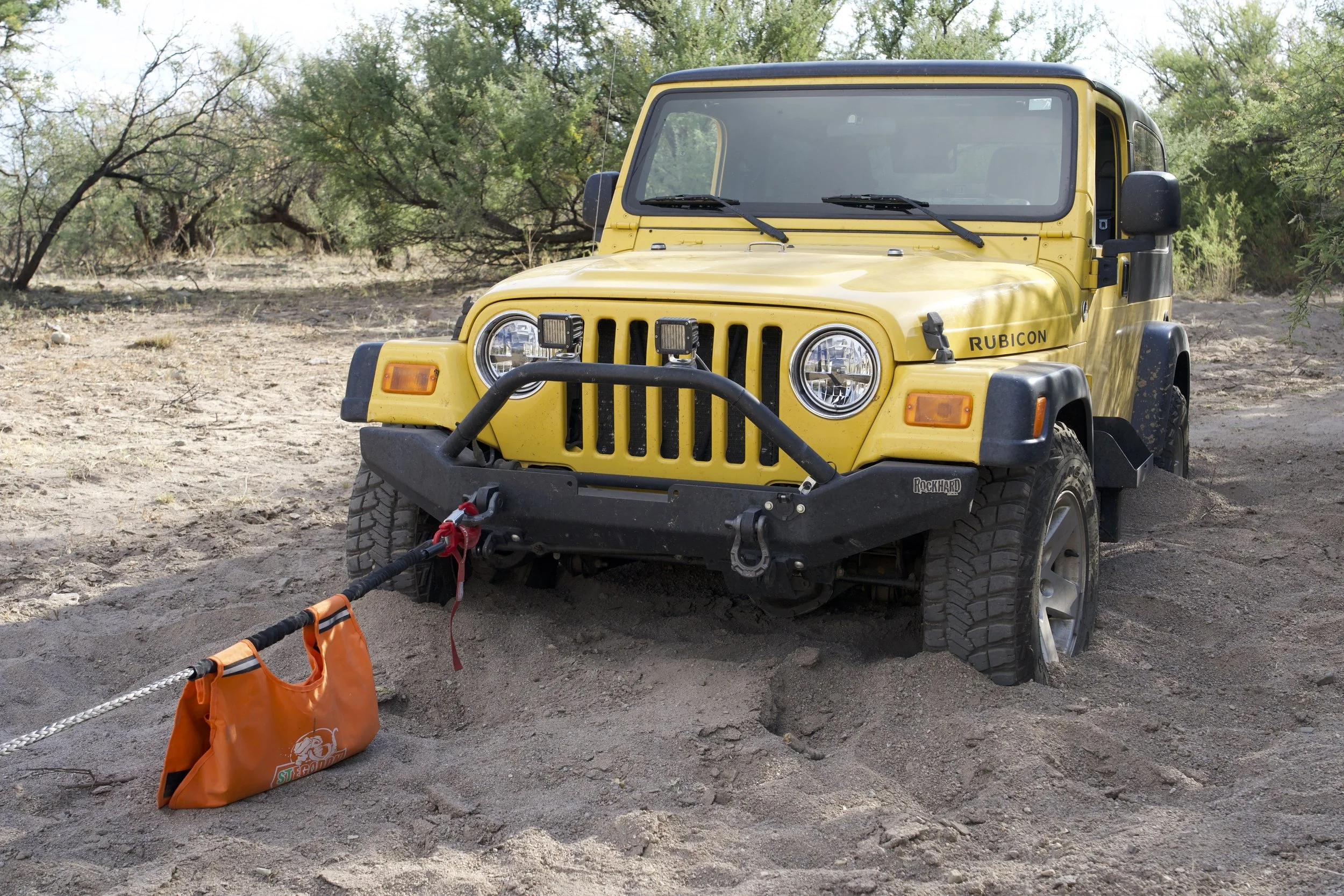 Image 2 of 16
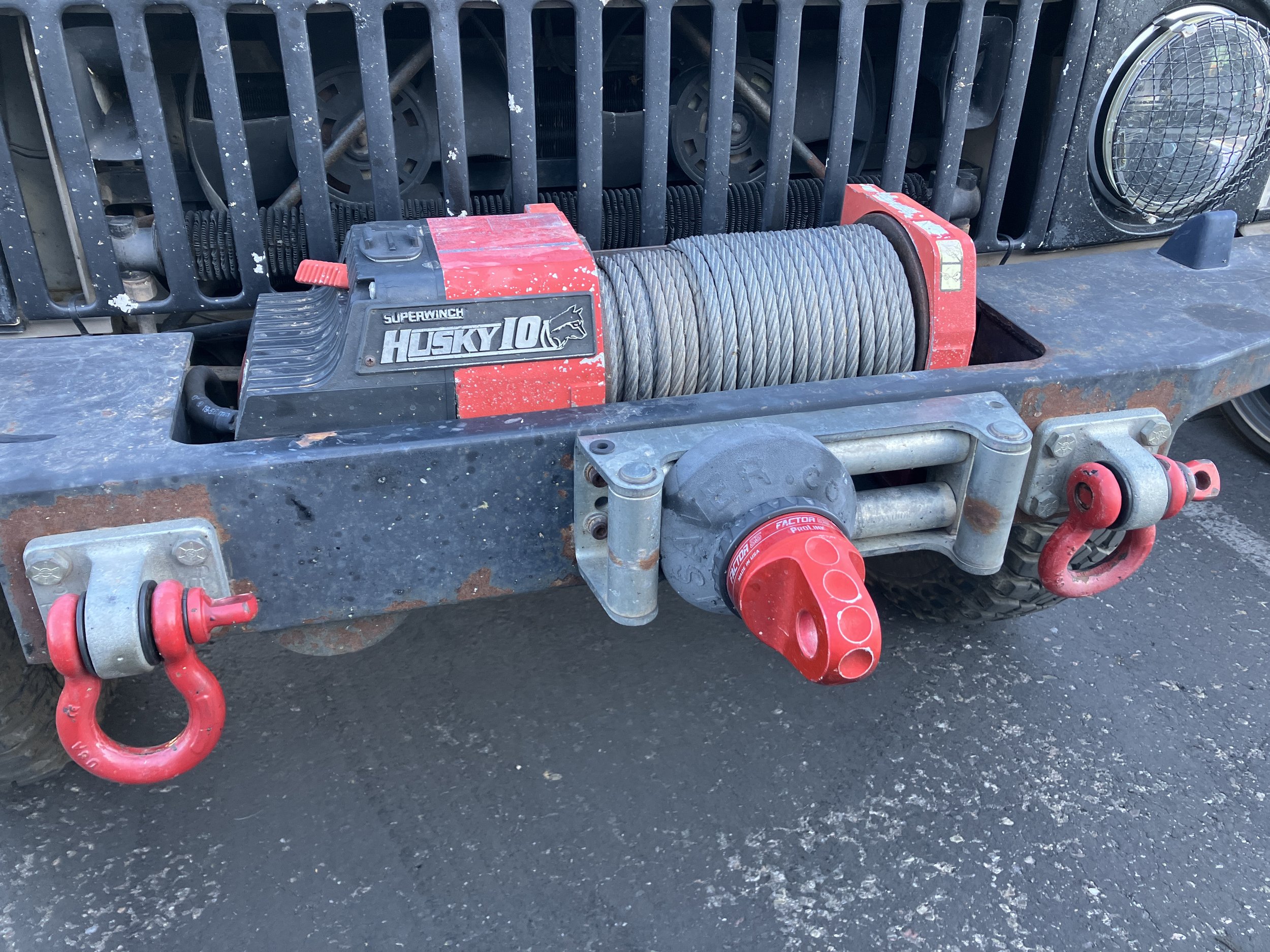 Image 3 of 16
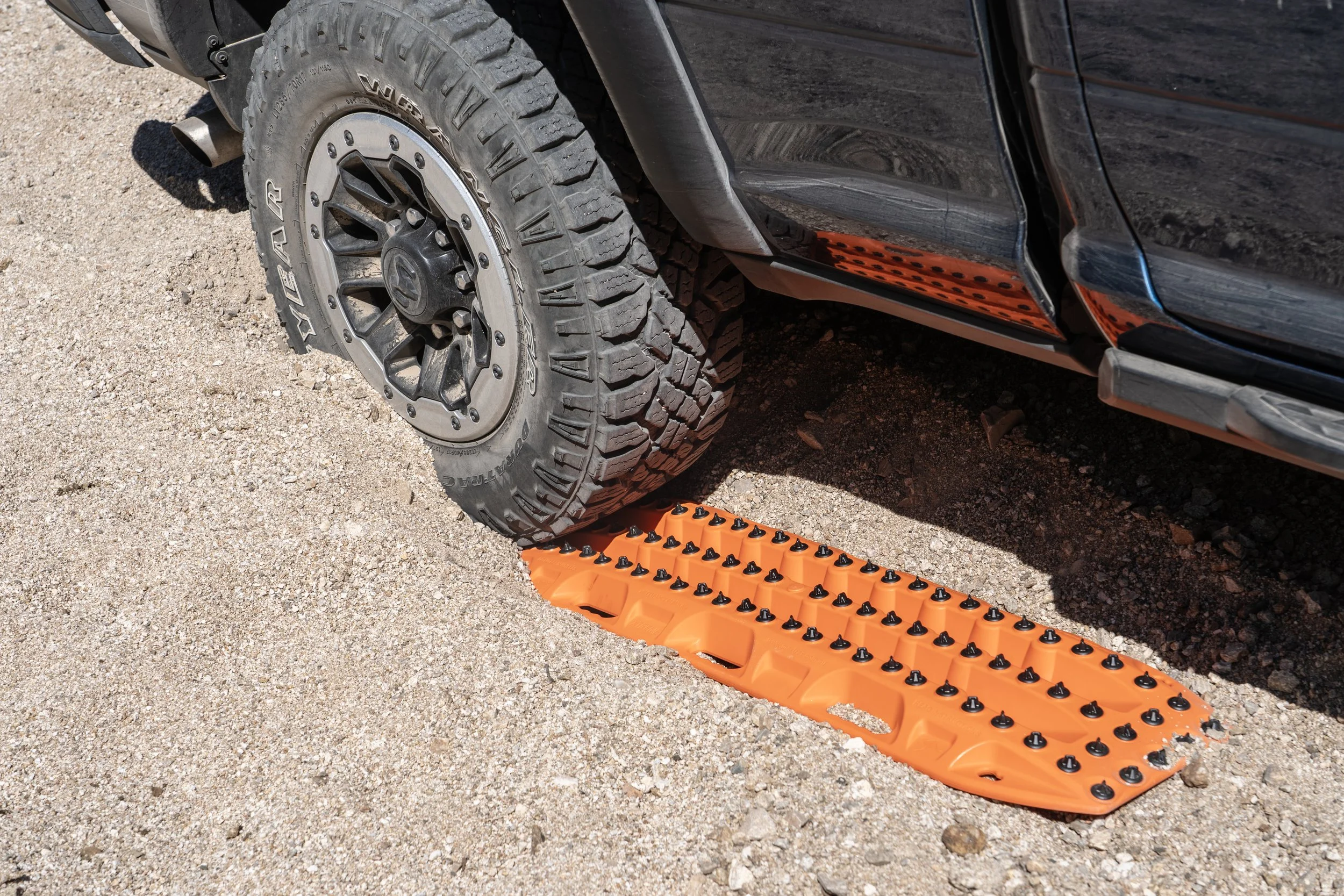 Image 4 of 16
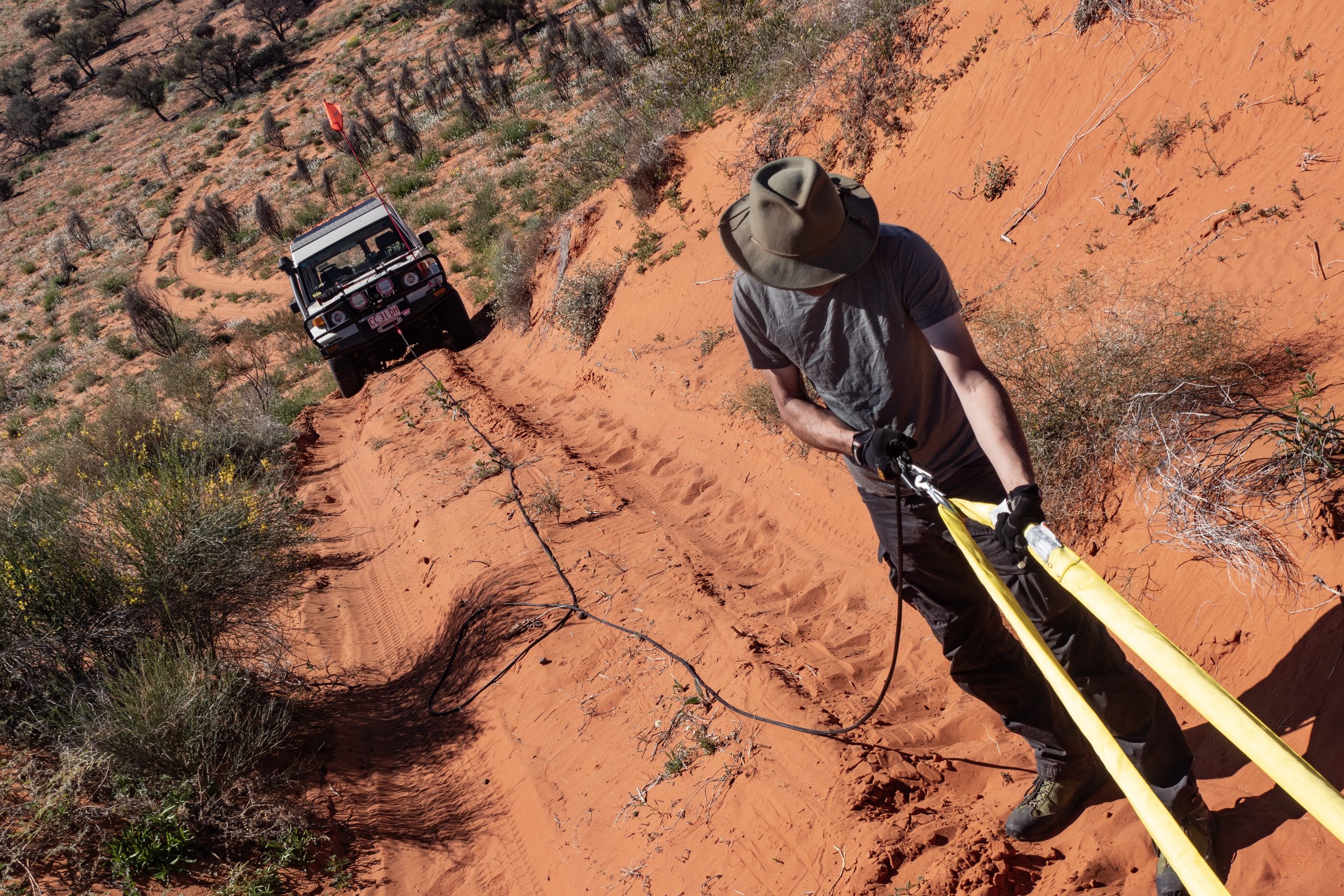 Image 5 of 16
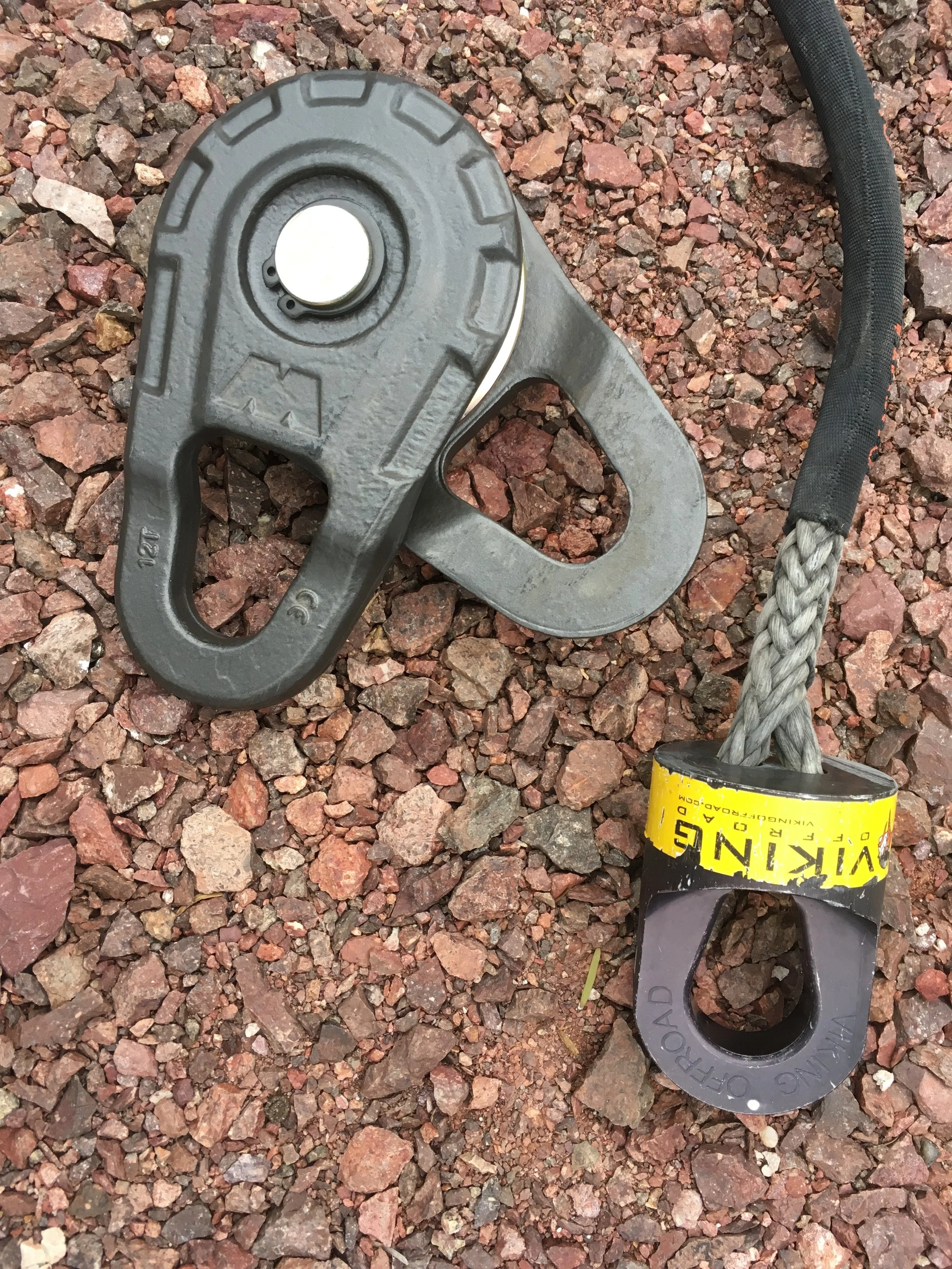 Image 6 of 16
 Image 7 of 16
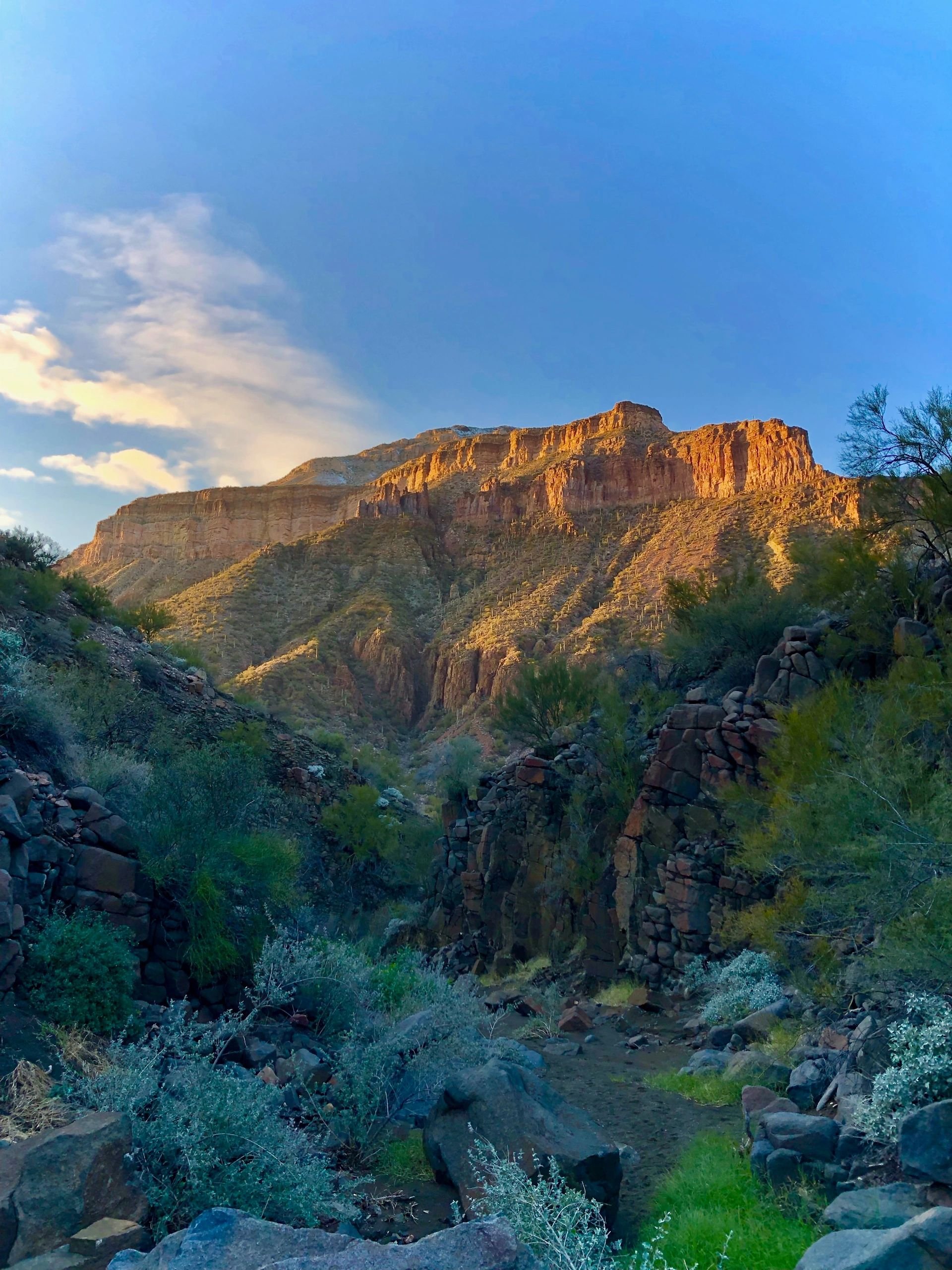 Image 8 of 16
 Image 9 of 16
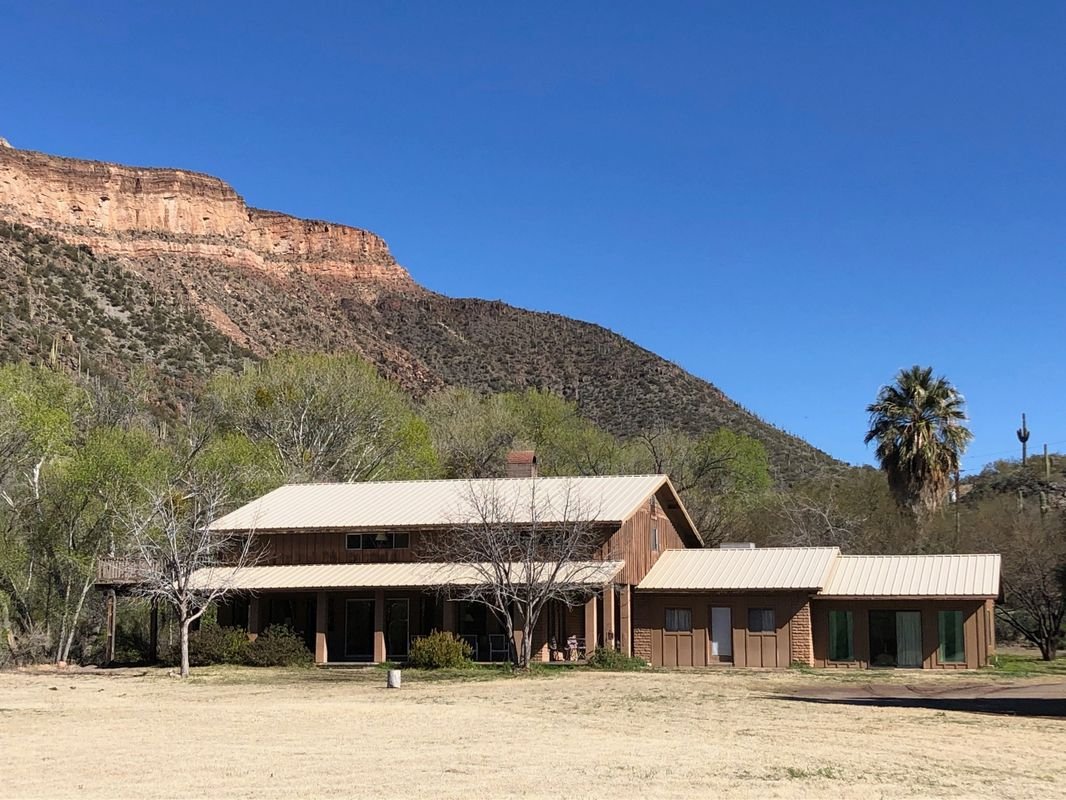 Image 10 of 16
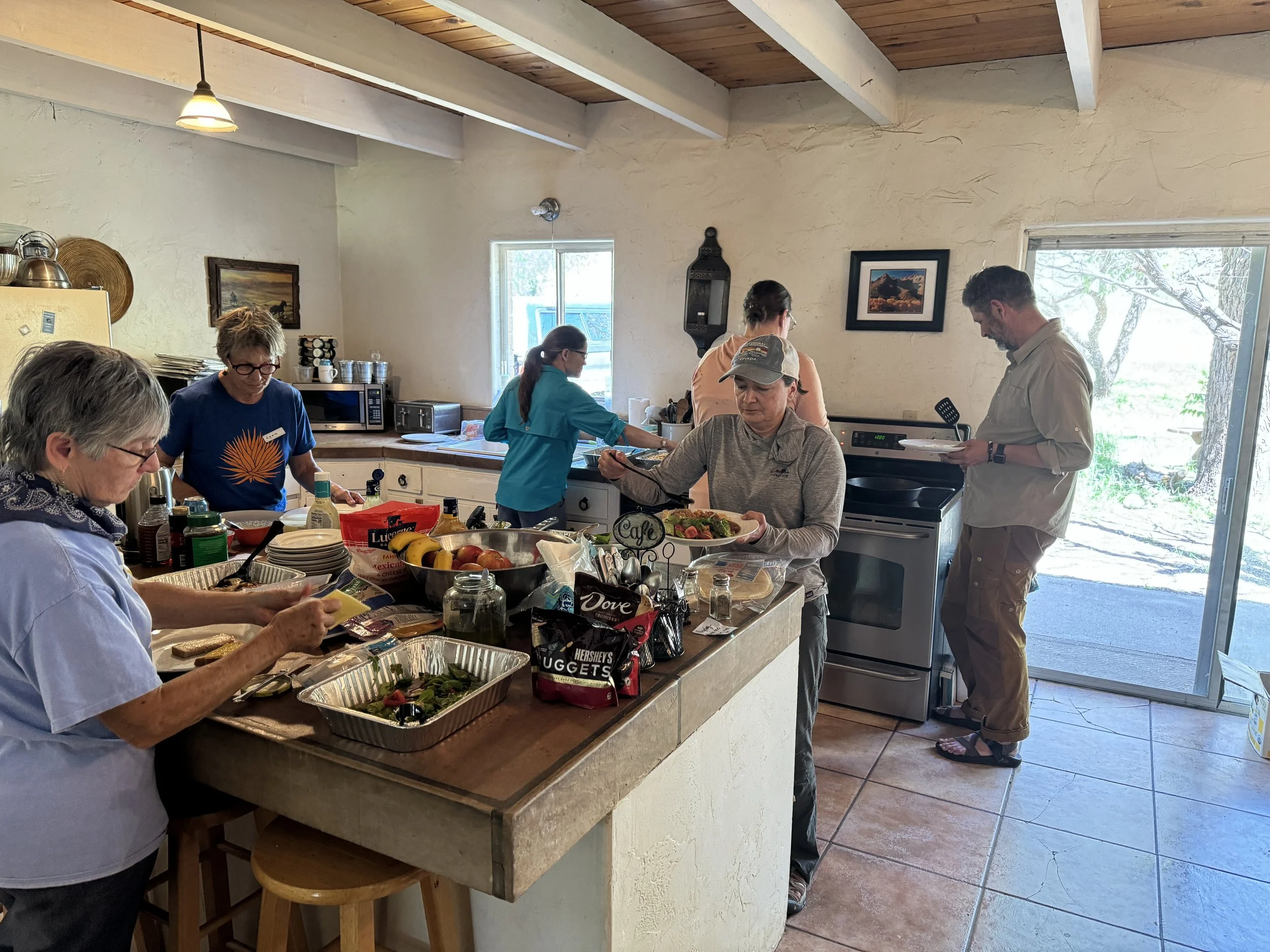 Image 11 of 16
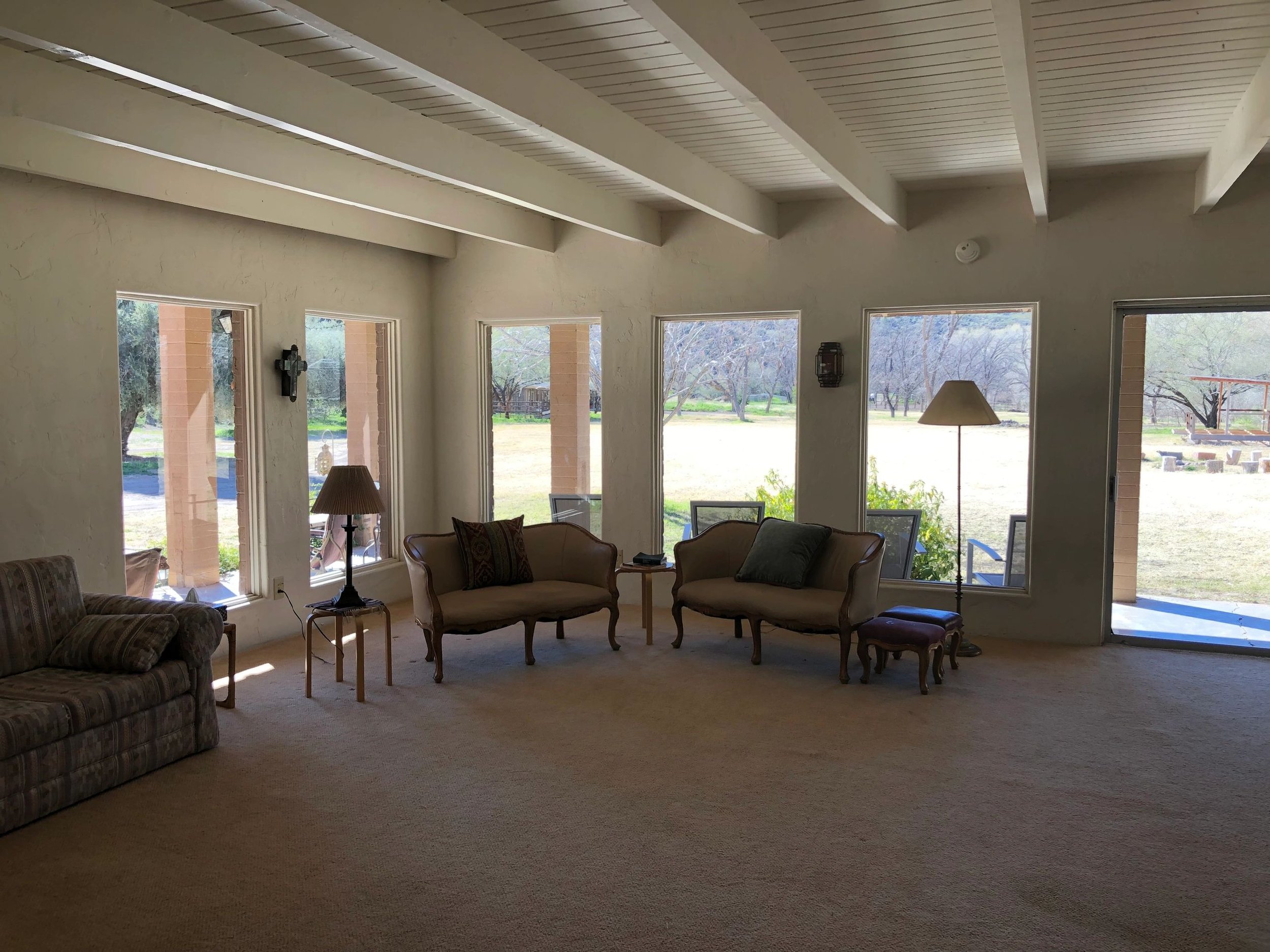 Image 12 of 16
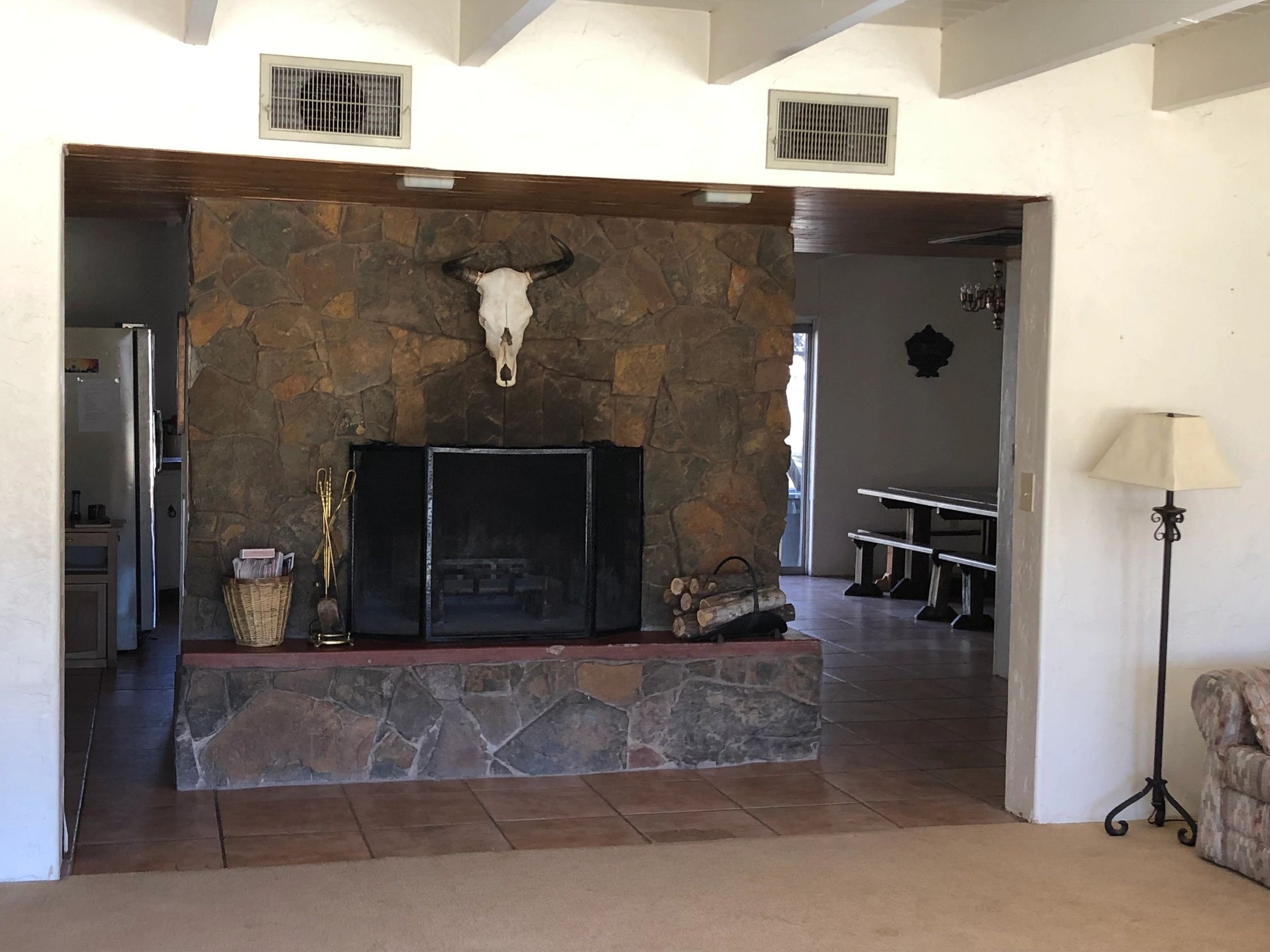 Image 13 of 16
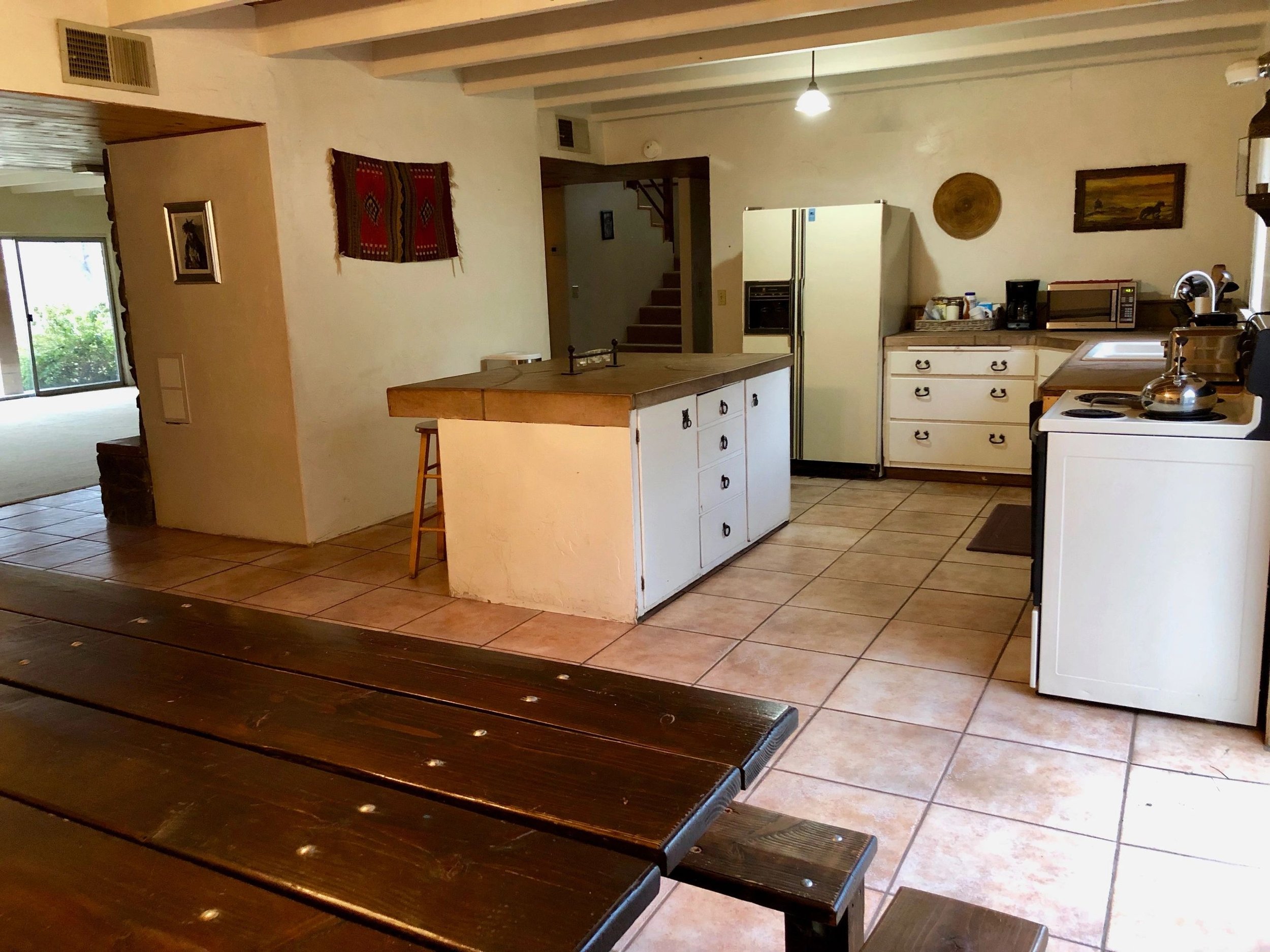 Image 14 of 16
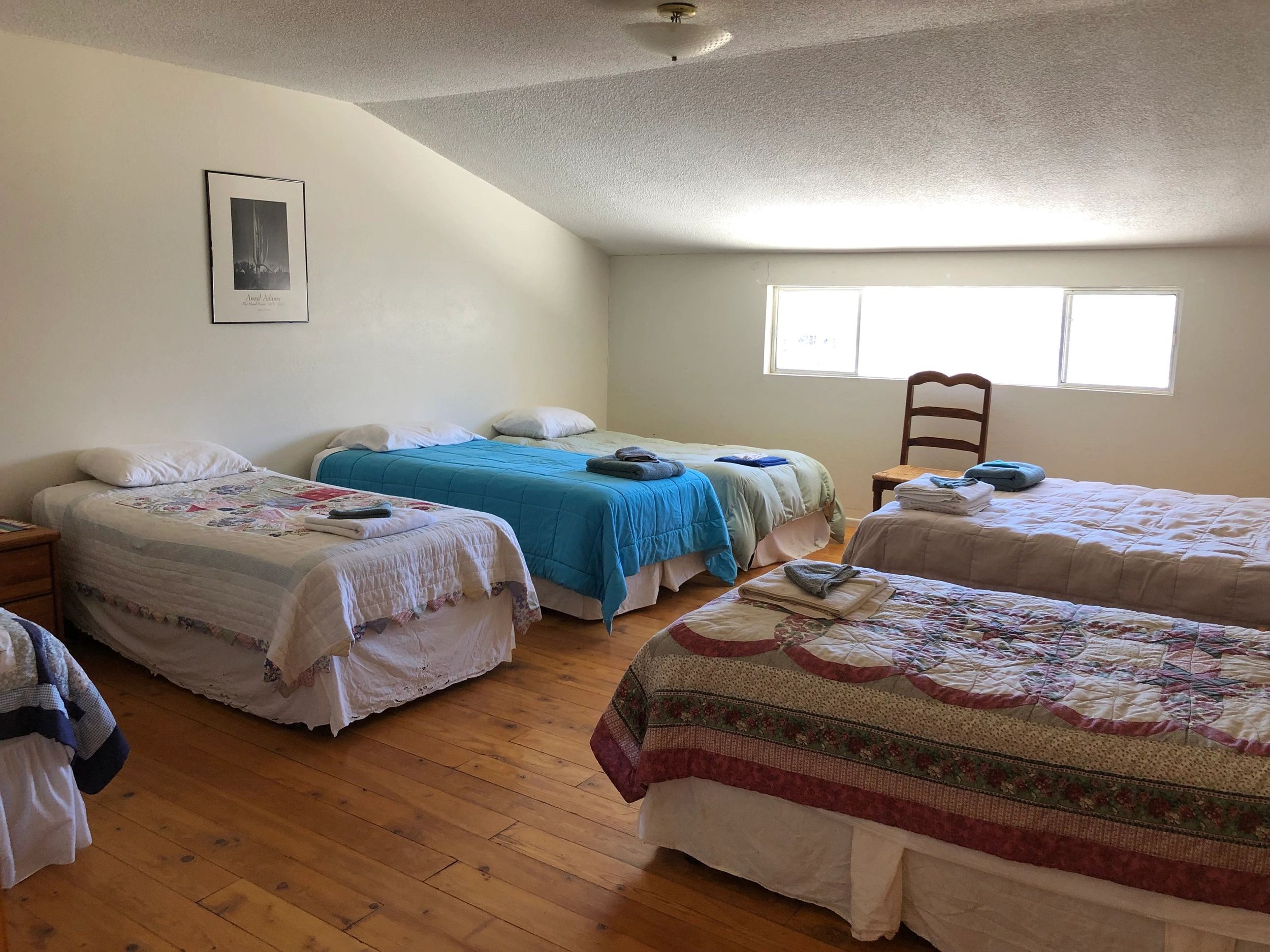 Image 15 of 16
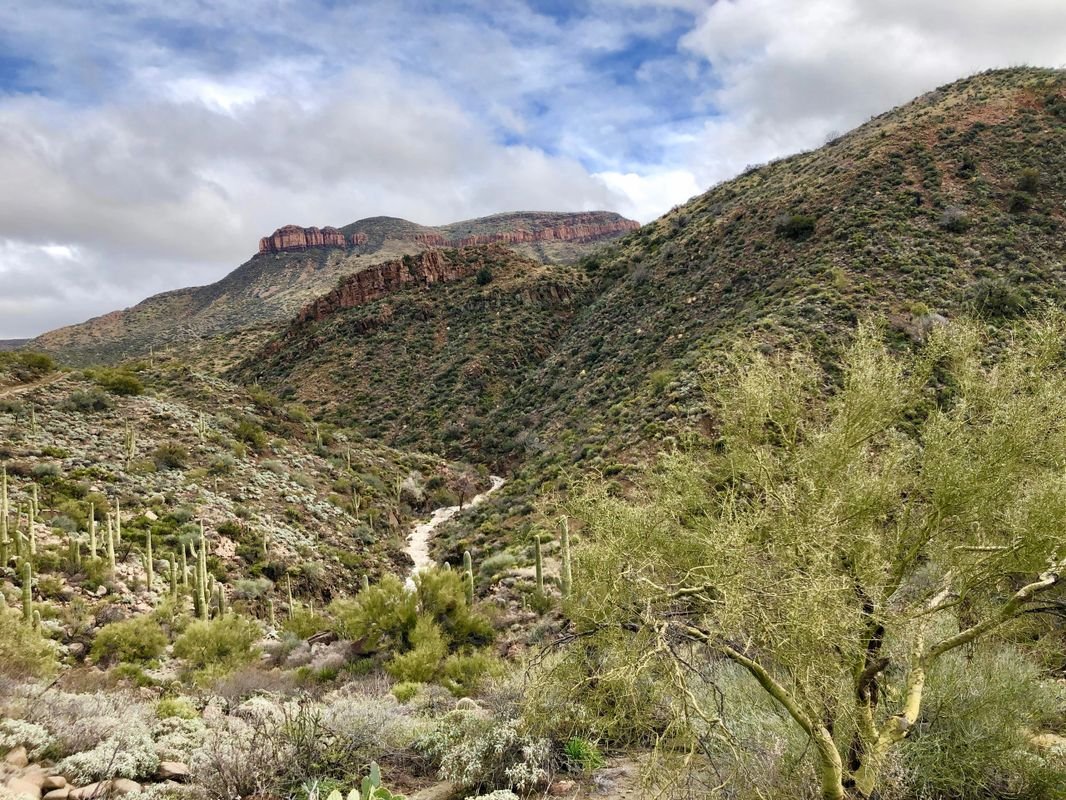 Image 16 of 16